Harnessing Technology for a Healthier Life: Your Guide to a Well-Balanced Lifestyle
Learn how modern technology helps you maintain a healthier lifestyle with smart tools for fitness, nutrition, mental wellbeing, and balanced daily living.
TECH & TOOLS
TSC-stant & More
12/20/20253 min read
How Technology Helps You Maintain a Healthy Lifestyle
Technology has become an integral part of daily life, influencing how people work, communicate, and care for their well-being. In recent years, digital tools and smart devices have played an increasingly important role in supporting healthier lifestyles by improving access to information, encouraging consistency, and helping individuals monitor their habits more effectively.
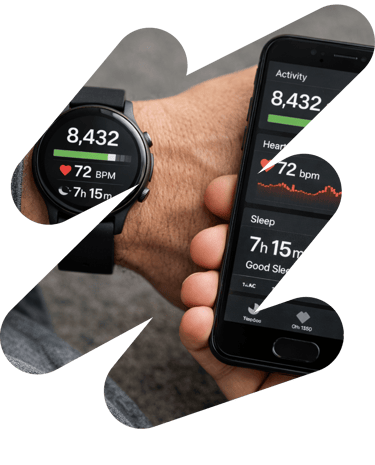
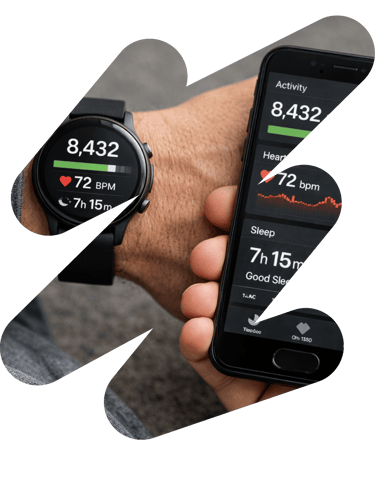
One of the most visible ways technology supports health is through fitness tracking devices and mobile applications. Wearable technology such as smartwatches and fitness bands can track steps, heart rate, sleep patterns, and physical activity levels. Studies suggest that individuals who use fitness trackers are more likely to increase physical activity due to real-time feedback and goal-setting features (World Health Organisation, https://www.who.int). These tools help users build awareness of their daily movement and encourage accountability.
Technology also supports healthier lifestyles by making nutrition and dietary information more accessible. Mobile applications can track meals, monitor nutrient intake, and provide insights into portion sizes and calorie consumption. Research from Harvard Health Publishing highlights that digital food tracking can support healthier eating habits by increasing mindfulness around food choices (https://www.health.harvard.edu). By logging meals and reviewing nutritional data, individuals can make informed decisions aligned with their dietary goals.
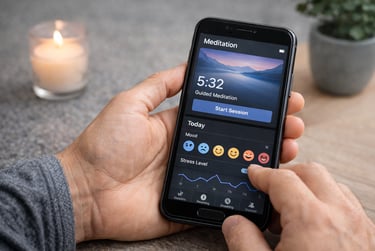
Another key area where technology contributes to wellness is mental and emotional health. Digital tools such as meditation apps, guided breathing programs, and mood-tracking platforms are now widely used for stress management and relaxation. According to the National Institutes of Health, mindfulness-based digital interventions may help reduce stress and improve emotional regulation when used consistently (https://www.nih.gov). These tools are particularly valuable for individuals with busy schedules or limited access to in-person support services.
Technology also improves access to health education and preventive care. Online platforms allow users to research symptoms, learn about healthy habits, and access telehealth services from home. The Centers for Disease Control and Prevention notes that digital health technologies can enhance preventive care by promoting early intervention and health literacy (https://www.cdc.gov). This accessibility empowers individuals to take a proactive approach to managing their well-being.
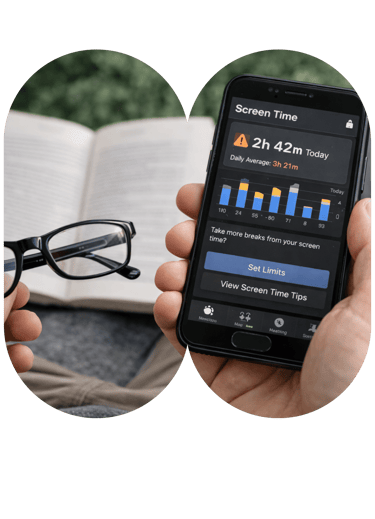
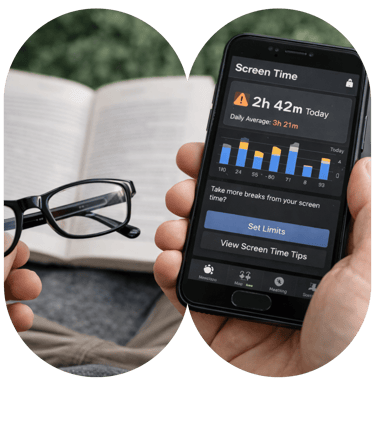
Despite these benefits, maintaining a balanced relationship with technology remains important. Excessive screen time or over-reliance on digital tools can have unintended effects if not managed thoughtfully. When used intentionally, however, technology can serve as a supportive companion—providing structure, insight, and encouragement for healthier daily routines.
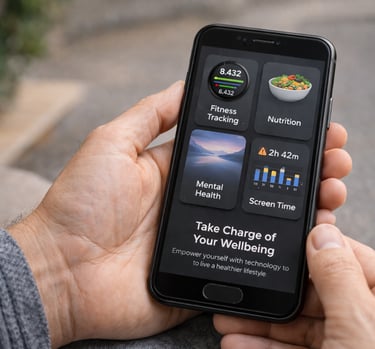
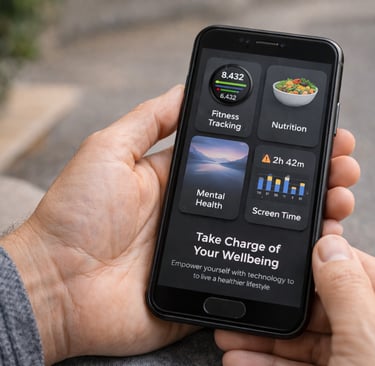
In conclusion, technology plays a growing role in helping individuals maintain a healthy lifestyle by promoting awareness, accessibility, and consistency. From fitness tracking and nutrition support to mental wellbeing and health education, digital tools can complement healthy habits and empower individuals to take a more active role in their overall wellbeing.
References
World Health Organization – Physical Activity and Health
https://www.who.intHarvard Health Publishing – Digital Tools and Healthy Eating
https://www.health.harvard.eduNational Institutes of Health – Mindfulness and Digital Health
https://www.nih.govCenters for Disease Control and Prevention – Digital Health Technologies
https://www.cdc.gov